
Bat Removal , Florida
Professional bat removal and humane exclusion services throughout Dixie County, Florida.
Local Bat Removal Expertise
In Dixie County, FL, bats sometimes find their way into attics, eaves, and crawl spaces. We remove them humanely using proven exclusion methods that protect both your home and the bats. Bat removal in Dixie County requires careful planning—our team handles inspection, exclusion setup, and permanent sealing to ensure they don't return.
How We Work
Humane bat removal follows a clear process: identify entry points, install one-way exits, seal all other openings, and verify the job is complete. Each home in Dixie County is different, so we inspect first.
Inspect Your Home
We locate all entry points where bats can squeeze through—soffits, eaves, gaps behind fascia, vents, chimneys, and cracks. We also check for droppings and active roosting areas.
Install One-Way Door
We place a one-way bat valve over the main exit point. Bats leave naturally at dusk and cannot re-enter. This lets us work safely without trapping bats inside.
Seal All Other Openings
Using caulk, hardware cloth, and sealant, we close every crevice bats could use. We focus on vents, gaps around eaves, roof penetrations, and construction seams.
Verify & Remove Valve
We observe the exit point during evening emergence to confirm all bats have left. Once verified, we remove the one-way door and seal that final opening permanently.
You'll always know what's happening next—and when.
Our Services
We serve homes and small businesses across Dixie County with tailored exclusion and cleanup solutions.
Bat Colony Removal & Exclusion
When a bat colony roosts in your attic or walls, humane exclusion is the only legal and effective solution. Bats cluster together for warmth and protection, often returning to the same spot year after year. We identify the entry point, install a one-way bat valve, and seal the rest to prevent re-entry.
Timing matters. Florida law protects nursing mothers (April 16–August 14). If you discover a colony during maternity season, we plan the exclusion to start after that window closes, ensuring young bats can still exit safely.
Bats can enter holes as small as a dime. Colonies grow quietly—you may not notice them until droppings pile up or you hear squeaks at dusk.
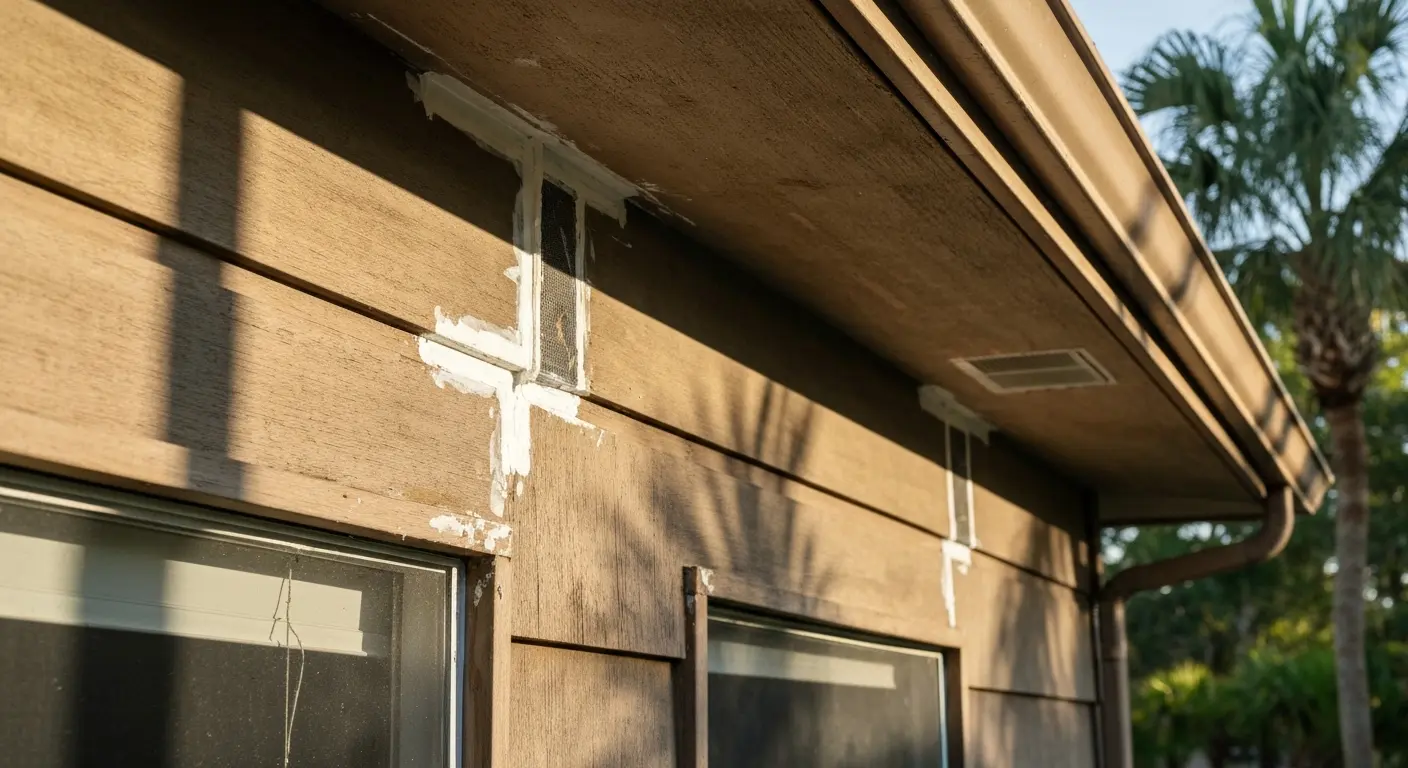
Professional exclusion work on a Cross City home—sealing entry points to prevent bat re-entry.
Attic Inspection & Entry Point Sealing
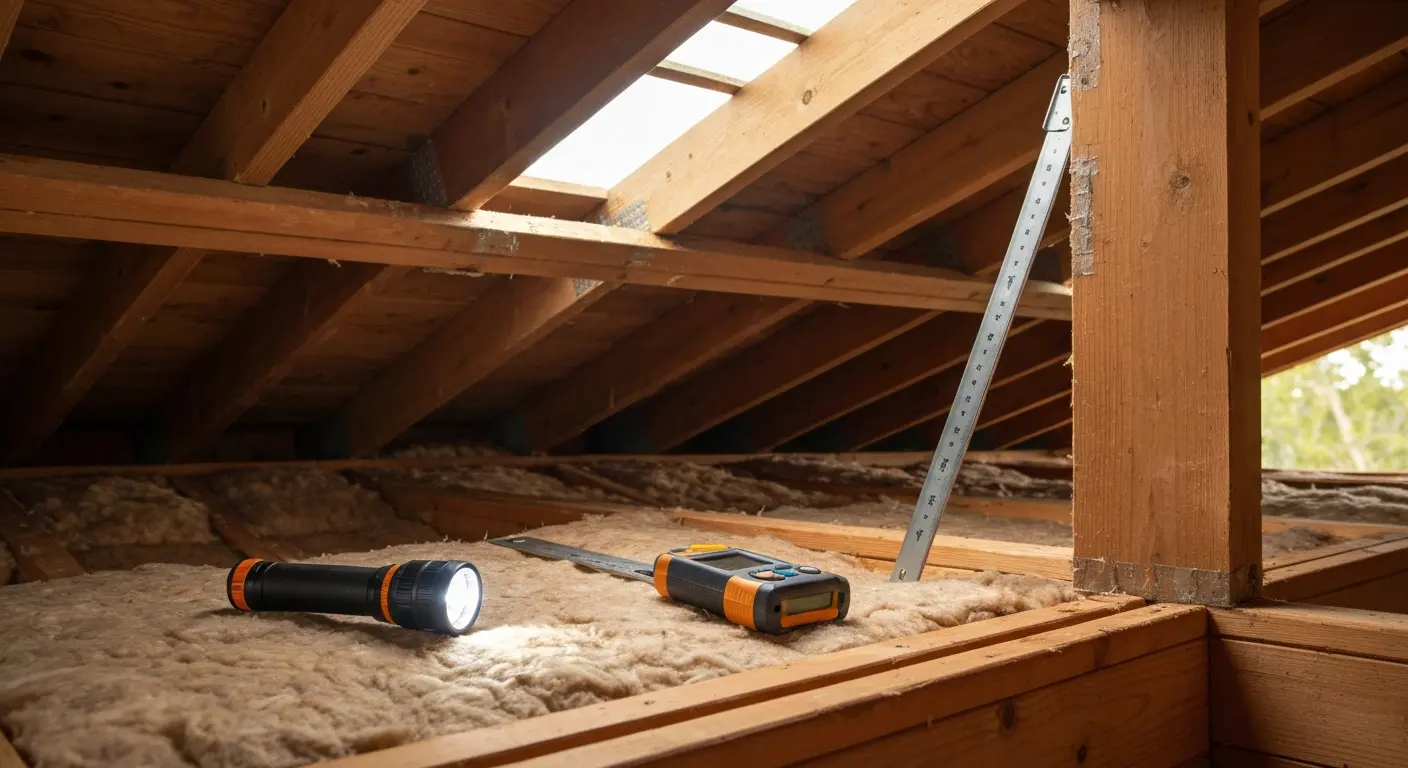
Attic evaluation in Horseshoe Beach area—identifying gaps in soffit vents and fascia boards.
Many homeowners don't realize how many openings exist until we inspect. Soffits, vents, gaps behind trim, roof penetrations, and damaged shingles all invite bats. We systematically seal each one with durable materials like hardware cloth and sealant.
Proper sealing prevents not just bats but also raccoons, squirrels, and other wildlife. In Dixie County's humid coastal climate, we use weather-resistant sealants that hold up to salt spray and humidity.
Bat Guano Cleanup & Attic Restoration
Bat droppings (guano) can damage insulation, corrode metals, stain ceilings, and create odors. More importantly, guano accumulation can harbor a fungus that causes histoplasmosis—a respiratory health risk.
We clean affected areas using HEPA-protected vacuums and disinfectant. For significant contamination, we remove old insulation and install new batts. Old Town and other rural areas often have older homes where this cleanup prevents long-term structural damage.
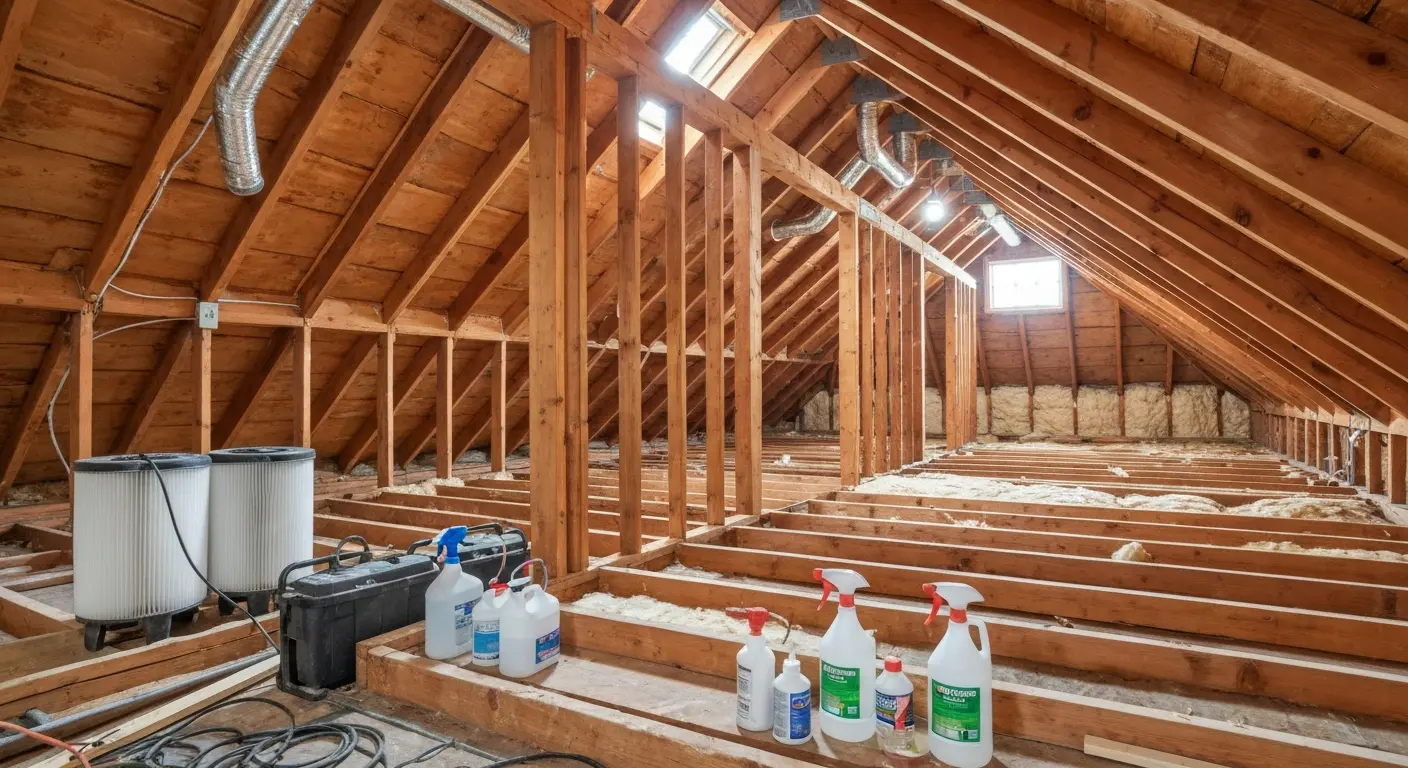
Professional guano removal and attic sanitization—restoring a Dixie County attic to safe condition.
Chimney & Vent Cap Installation
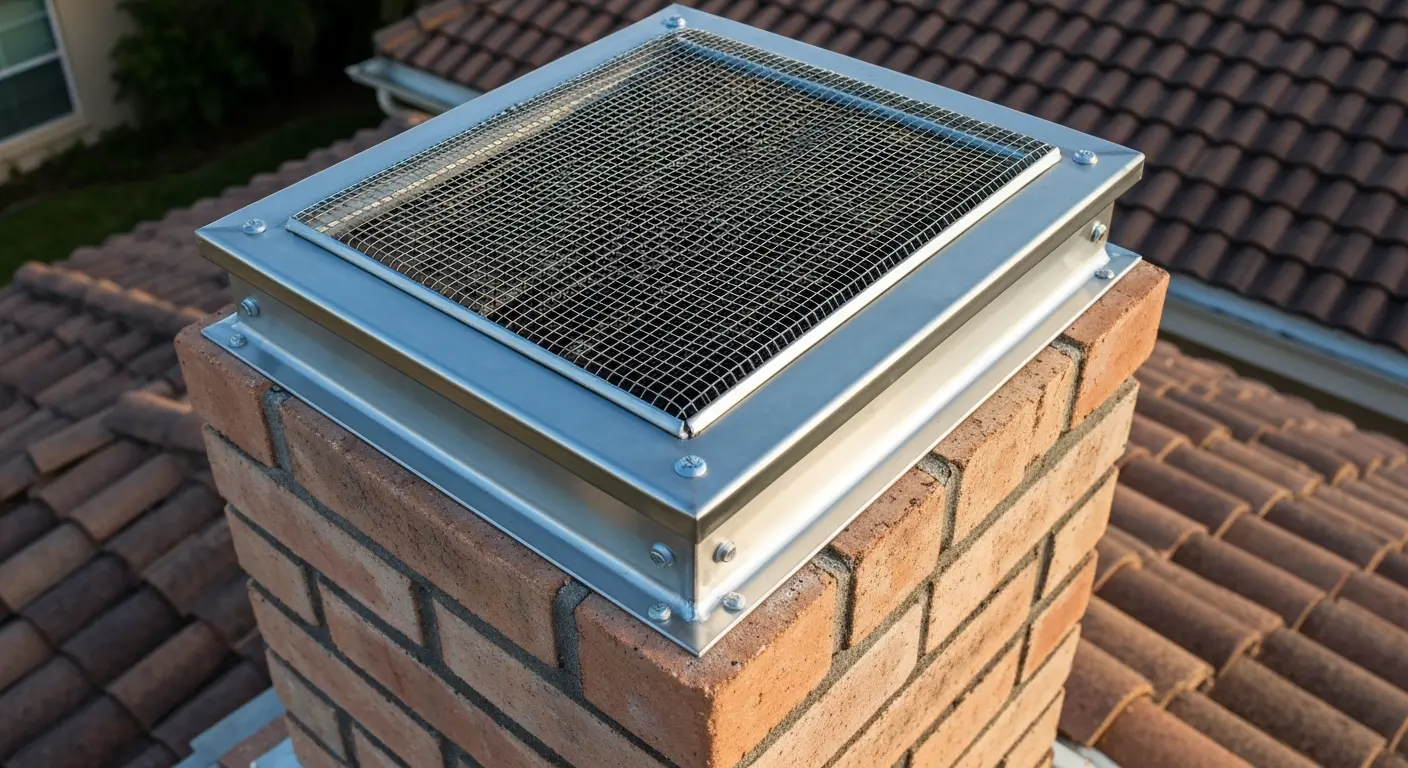
Stainless steel chimney cap with fine-mesh wire—protecting against bat and bird entry in Suwannee.
Chimneys and roof vents are prime entry points for bats. We install stainless steel caps with small-diameter wire mesh that blocks bats and birds while preserving ventilation. These caps are rust-resistant—important for homes near Florida's coast and waterways.
A quality cap lasts for years and prevents multiple pest species from entering, making it a smart long-term investment.
Why It Matters
Humane bat removal protects your home, your health, and the ecosystem. Understanding the stakes helps you choose the right approach.
Legal & Humane Exclusion
Florida and federal law protect bats. Killing or harming bats can result in fines and penalties. Exclusion—using one-way doors and sealing—is the only legal removal method. This approach is also more humane because it lets bats leave safely and find new roosts elsewhere.
Bats also provide ecological value—they eat thousands of insects per night, reducing mosquitoes and agricultural pests naturally.
Prevent Health & Structural Damage
Guano accumulation creates health hazards and damages insulation, wood, and drywall. Structural damage can lead to costly repairs. Early removal and cleanup prevent these problems and protect your investment in your Dixie County home.
Professional cleanup also stops secondary pest invasions—cockroaches and beetles are attracted to guano buildup. Removing it eliminates that food source.
Serving Dixie County and Surrounding Areas
We know Dixie County's landscape, climate, and building styles—from Cross City to Horseshoe Beach and everywhere in between.
Local Expertise for Coastal & Rural Homes
Dixie County's mix of rural properties, waterfront homes, and small towns creates unique challenges. Homes near the Gulf Coast face salt-spray corrosion and higher humidity. Rural homes often have older construction with more gaps. We tailor our approach to each property's specific conditions and materials.
We serve Cross City, Old Town, Horseshoe Beach, Suwannee, Dixietown, and all surrounding areas in Dixie County—both residential and commercial properties.
Get Started Today
If you suspect bats in your home or have already spotted one, the first step is a thorough inspection. Call us to schedule your free assessment. We'll identify entry points, explain your options, and create a removal plan that works with Florida law and your timeline.
Don't wait until the problem grows. Early detection makes exclusion faster and prevents damage.
Frequently Asked Questions
Common questions about bat removal in Dixie County, FL.
Can I remove a bat myself if I find one inside my home?
Yes, you can safely remove a single bat indoors without contact. Close the bat into a room, open a window, and let it fly out. If needed, place a sturdy container over it, slide cardboard underneath, and release it outside. Never touch a bat with bare hands—always wear thick leather-lined gloves if you must handle it, and contact your doctor immediately if bitten.
When is the best time to exclude bats from my home?
The best time is after August 14 when the maternity season ends and baby bats can fly independently. Planning before April 16 ensures you're ready to act quickly once the window opens. If you discover bats during maternity season (April 16–August 14), we can prepare and wait to conduct the exclusion after that period closes.
How small of a hole can bats enter?
Bats can squeeze through openings as small as a dime (3/8 inch). They cannot make their own holes—they use existing gaps in siding, vents, fascia, chimneys, and roof penetrations. This is why thorough inspection and sealing are critical to preventing re-entry.
Can bats transmit rabies to me through contact with droppings?
Rabies is transmitted through a bite or scratch, not guano. However, bat droppings can harbor a fungus that causes histoplasmosis—a respiratory illness. Avoid disturbing guano and always wear respiratory protection if cleaning affected areas. Professional cleanup is the safest option.
Will bats return to my home after exclusion?
If sealing is complete and thorough, bats cannot return. Some colonies return to the same roost year after year, so proper exclusion is essential. We verify all entry points are sealed and perform final inspections to ensure your home is fully protected.
What does bat guano look like, and how do I know if I have it?
Bat droppings are small, dark, and crumbly. Unlike rodent droppings, they break apart easily and contain visible insect parts. Look for piles under eaves, in attics, on siding below roosting areas, or on the ground beneath entry points. An odor similar to musty urine also suggests bat activity.
DISCOVER WHAT OUR CUSTOMERS HAVE TO SAY ABOUT US
REVIEWS
proudly serving these areas
Dixie County, FL
Taylor & Lafayette Counties, FL
Suwannee, Columbia, & Hamilton Counties, FL
Gilchrist County, FL
Levy County, FL
Alachua County, FL
Marion County, FL
Citrus County, FL
READY TO take the next step?
get a free quote TODAY!
QUICK LINKS
our services
service areas
operating HOURS
Mon: 12:00 am - 11:59 pm
Tue: 12:00 am - 11:59 pm
Wed: 12:00 am - 11:59 pm
Thu: 12:00 am - 11:59 pm
Fri: 12:00 am - 11:59 pm
Sat: 12:00 am - 11:59 pm
Sun: 12:00 am - 11:59 pm