
Pest Control & Wildlife Removal in
Local Wildlife Control Expertise
Wildlife Control Service in Hamilton County, FL bridges the Suwannee River between Jasper and White Springs to remove nuisance animals from homes and land.
Raccoons, armadillos, opossums, snakes, and bats find entry through roof vents, soffit gaps, and chimney openings on rural and historic properties alike. This page covers how professional removal works, what to expect, and why fast action protects your home from structural damage and disease.
How Wildlife Control Works
A guided removal process that secures your home and stops re-entry.
What Happens When You Call
A technician inspects the interior and exterior to find active entry holes, nesting sites, and food sources. This inspection covers roof lines, chimneys, soffit vents, crawlspaces, and foundation gaps—areas where attic damage from wildlife often hides.
Assess the Problem
Inspect roof vents, chimney caps, and attic entry points. Identify animal type by droppings, tracks, and damage patterns.
Trap & Remove
Set live traps at entry points and active travel routes. Remove animals humanely per Florida law. Outdoor burrows may need habitat modification.
Seal & Exclude
Install chimney caps, reinforce vents, and seal all gaps with durable materials. Replace damaged screening and soffit components.
Clean & Sanitize
Remove droppings, urine, nesting material, and scent markers. Apply antimicrobial treatment and replace contaminated insulation if needed.
You'll always know what's happening next—and when.
Our Services
Each animal removal is paired with exclusion and cleanup to prevent future invasions.
Raccoon Trapping
Raccoons tear through roof shingles and soffit boards near Jasper and White Springs, creating attic entry points. Nocturnal activity often reveals their presence through loud noises in walls. Live cage traps capture them at entry points and denning sites.
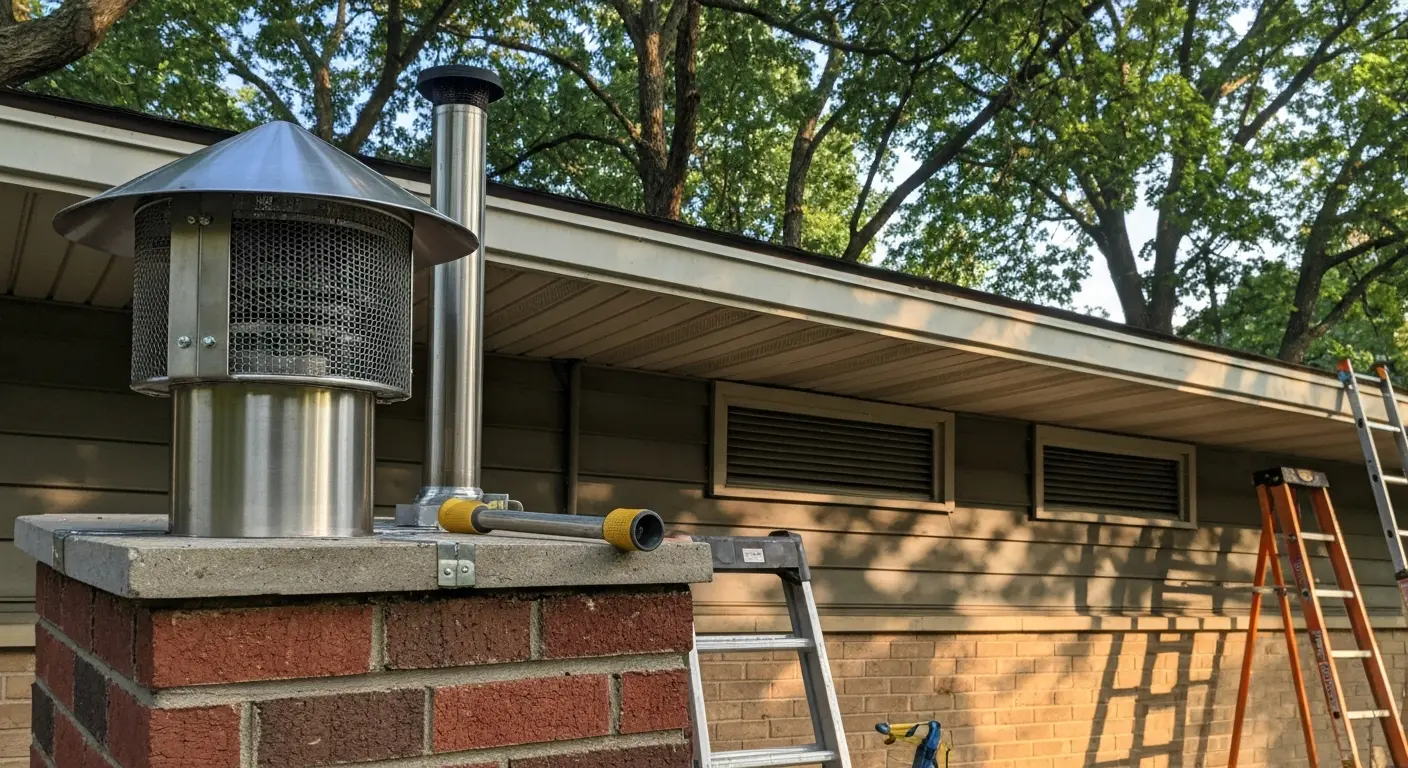
Raccoon removal near Jasper; chimney caps and soffit reinforcement prevent re-entry.
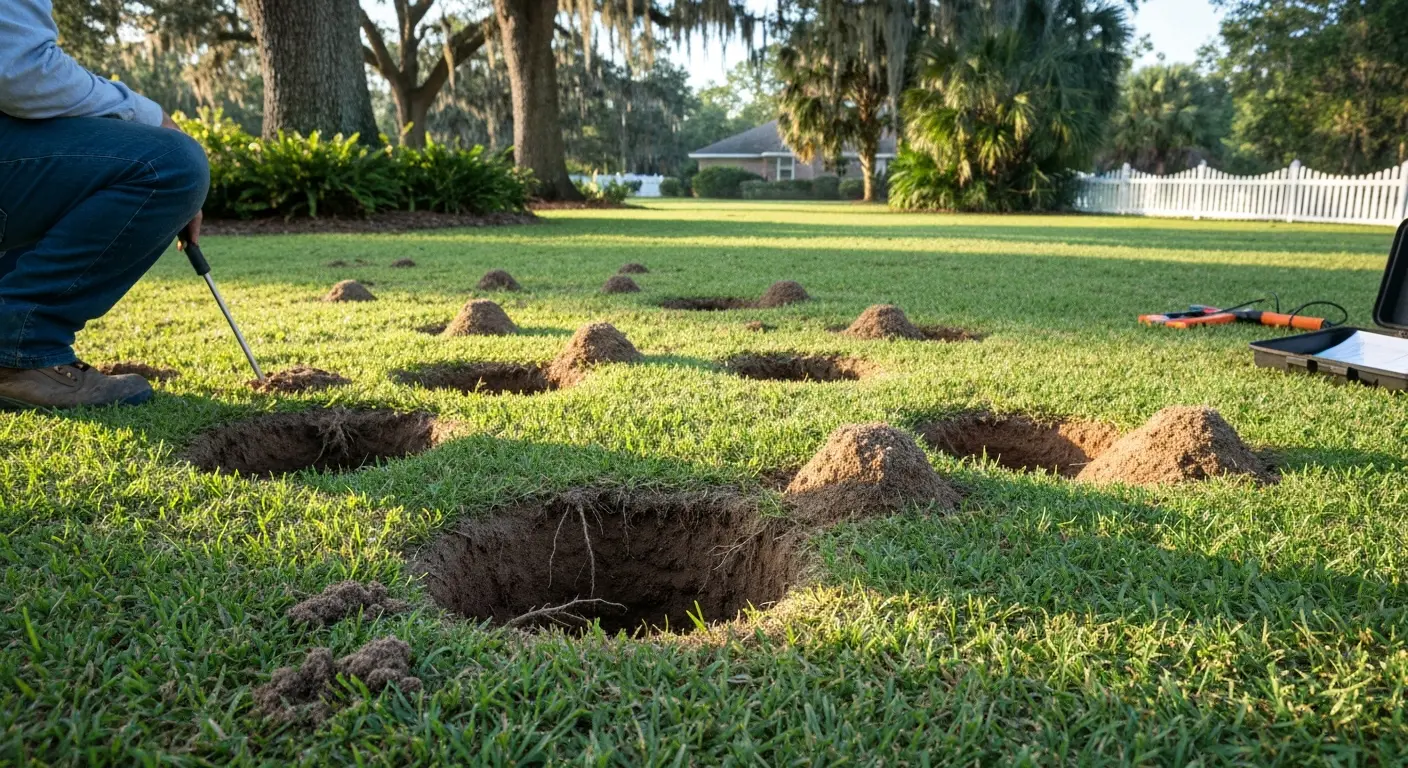
Armadillo digging damage in White Springs gardens and lawns; habitat modification stops burrowing.
Armadillo Control
Armadillos uproot lawns and gardens looking for grubs and insects, especially in rural properties across the county. They burrow under decks, sheds, and driveways. Live trapping is difficult; habitat modification and exclusion fencing are most effective.
Opossum Removal
Opossums tip over garbage and dig through compost bins at night. They shelter under sheds, decks, and in attics. Live cage traps and one-way door systems capture them without harm. Fencing around deck bases prevents burrowing.
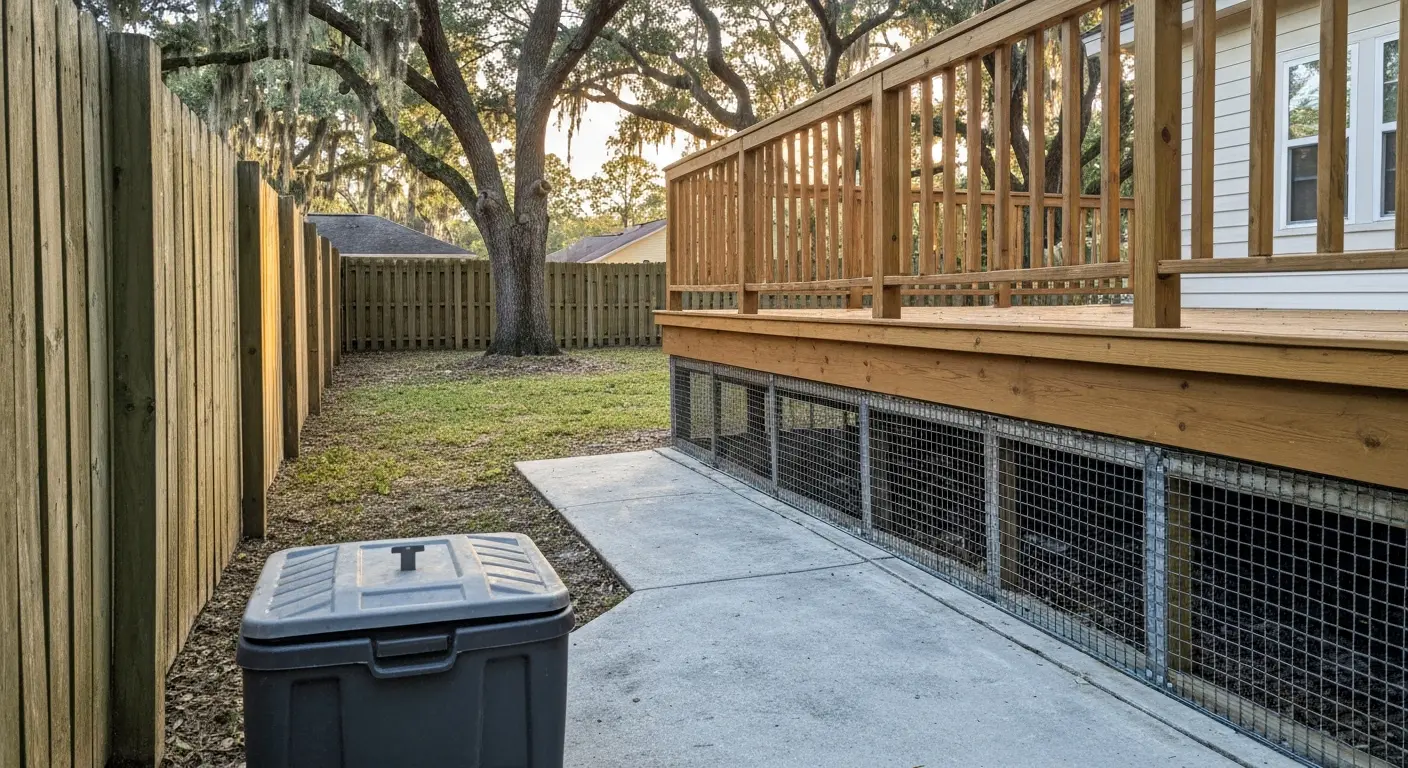
Opossum control near White Springs; compost management and deck exclusion prevent damage.
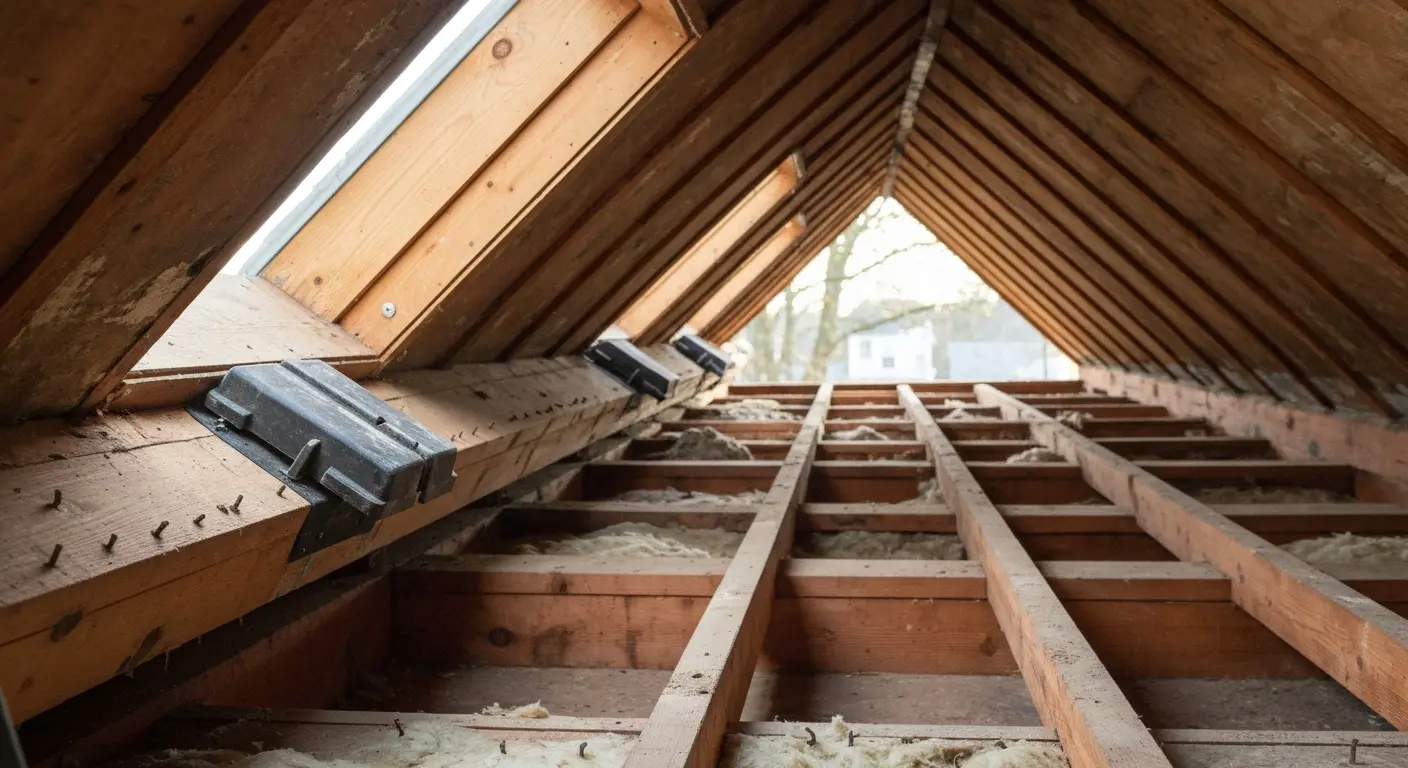
Bat guano removal in attics; one-way valves allow exit without harming protected bats.
Bat Removal
Bats are protected species in Florida and cannot be removed during maternity season (April–August). Outside this window, one-way valves allow safe exit. Bat guano poses health risks; contaminated insulation requires professional cleanup and replacement.
Snake Removal
Florida has 46 snake species; six are venomous. Eastern diamondbacks and pygmy rattlesnakes occur near Jasper and along river areas. Professional removal identifies the species and seals entry gaps. Secure outdoor food sources and brush to reduce attraction.
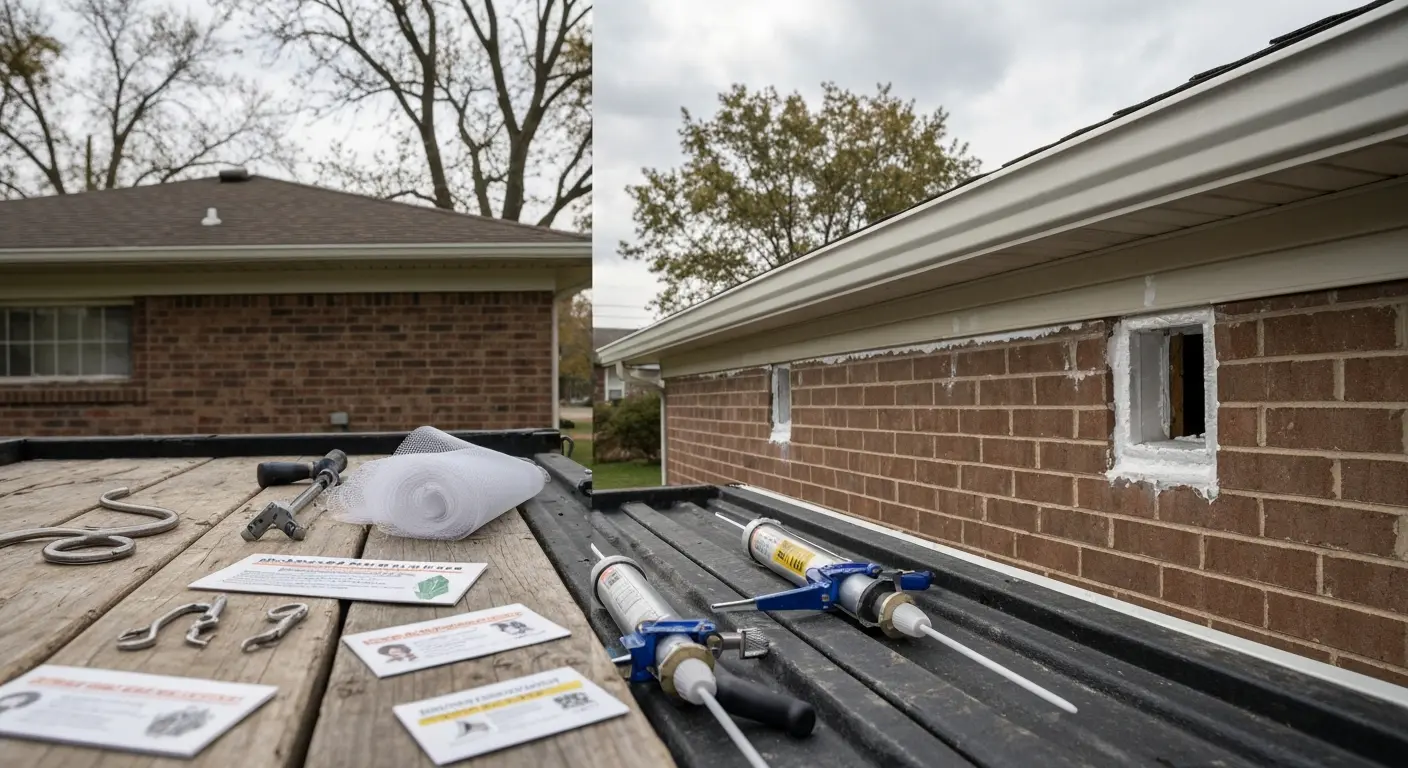
Snake removal in Hamilton County; identification and habitat exclusion reduce encounters.
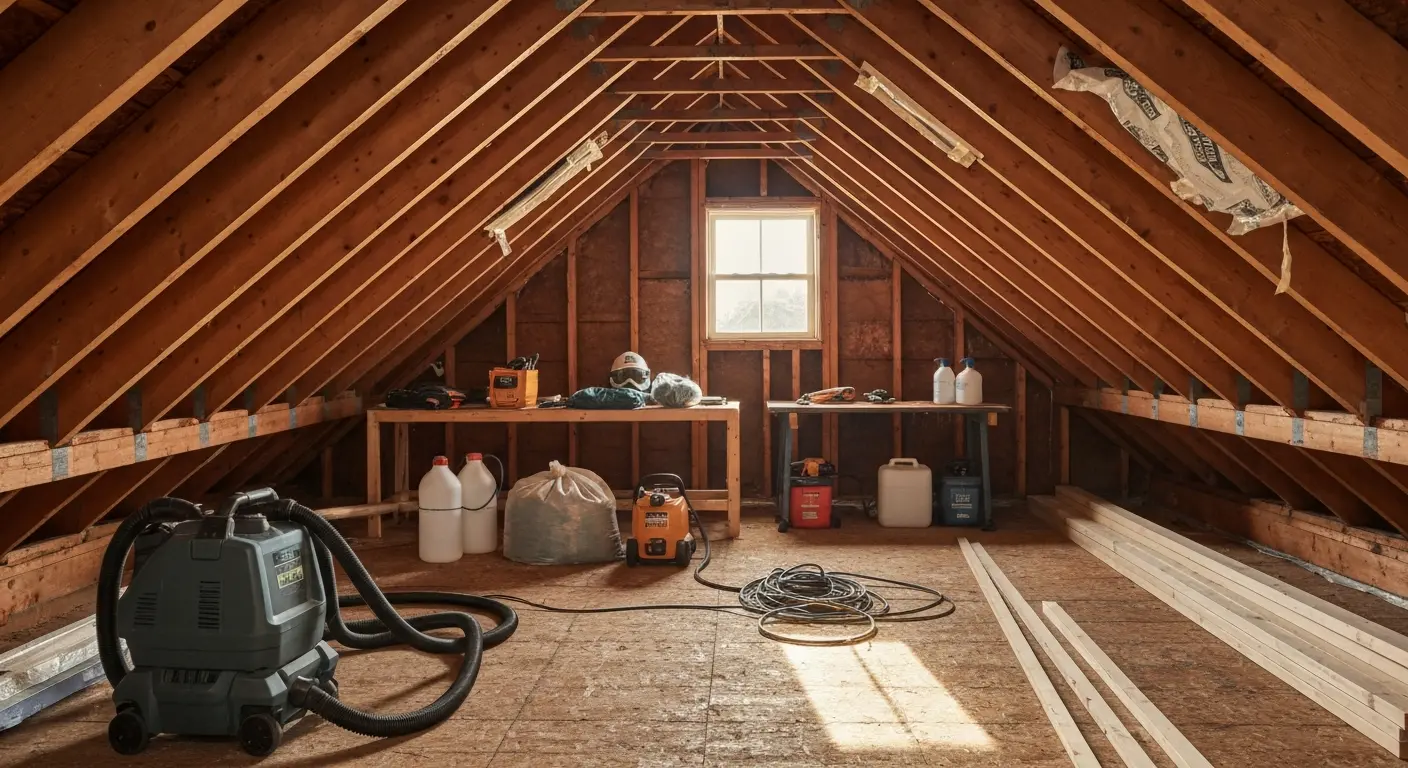
Dead animal removal from attics and crawlspaces; odor control and decontamination prevent secondary infestation.
Dead Animal Removal
Decomposing animals inside walls and attics create foul odors and attract predators. Professional removal locates the carcass, extracts it safely, and decontaminates the space with antimicrobial treatment to prevent secondary wildlife drawn by scent.
Why Professional Wildlife Control Matters
Removal stops disease, structural damage, and re-infestation at the source.
Health & Disease Prevention
Raccoon, bat, and rat droppings carry Histoplasmosis, Salmonella, and Leptospirosis. Direct contact and inhalation of spores pose serious illness risk. Professional cleanup removes contamination safely using antimicrobial treatment.
Disease Prevention Fact: Rodent droppings and wildlife waste contaminate attics and crawlspaces, requiring professional decontamination to eliminate pathogens and prevent family illness.
Structural & Fire Safety
Rodents chew electrical wiring inside walls, creating fire hazards. Raccoons and squirrels damage roof shingles, fascia, and soffit boards. Bats and birds nest in chimneys, blocking airflow. Exclusion and repair restore home safety on historic properties in Jasper and White Springs.
Permanent Solution
Removal alone is incomplete; exclusion seals the root cause. Sealing roof vents, chimney gaps, soffit cracks, and foundation openings prevents re-entry. Removing outdoor food sources (unsecured garbage, fallen fruit, pet food) reduces attraction to your property.
Serving Hamilton County & the River Region
Coverage spans Jasper, White Springs, Jennings, and surrounding rural areas across the county.
Jasper & County Seat Area
Jasper, the county seat, sits along US 41 with access from I-75. Historic homes and rural properties around downtown and the courthouse area frequently encounter raccoons, squirrels, and armadillos. Professional removal teams serve properties from the Suwannee River east to Jennings.
White Springs & River Neighborhoods
White Springs sits on the Suwannee River in the southern county. Properties near Stephen Foster Folk Culture Center State Park and along the historic district often harbor bats, opossums, and snakes. River access and wooded habitats attract diverse wildlife year-round.
Rural & Unincorporated Areas
Communities like Avoca, Genoa, and properties near Big Shoals State Park experience frequent armadillo and rodent damage. Rural homes near the Withlacoochee River and Alapaha River benefit from early exclusion and habitat management.
Local Advantage: Our teams know Hamilton County's river habitats, historic property architecture, and seasonal wildlife patterns. Faster response and targeted solutions for your neighborhood.
Frequently Asked Questions
Can I remove raccoons or opossums myself?
No. Live animals pose bite and disease risks, and Florida law requires humane removal methods. A single mistake traps a juvenile inside, causing wall damage and odor problems. Professional removal follows state regulations and protects your safety.
What if animals come back after removal?
Exclusion seals 100% of entry points—roof vents, chimney gaps, soffit cracks, and foundation holes. A thorough inspection catches missed openings before animals return. Habitat management (securing garbage, removing pet food, trimming branches) further reduces re-infestation risk.
How much does attic cleanup and decontamination cost?
Cleanup costs depend on contamination size and insulation damage. A free inspection identifies droppings, mold, and structural damage, then provides a transparent estimate. Antimicrobial treatment and insulation replacement prevent disease and restore attic safety.
Are bats protected in Florida? When can I remove them?
Bats are protected species in Florida. Removal is illegal from April–August (maternity season). Outside this period, one-way valves allow bats to exit safely while prevention stops re-entry. Guano cleanup and antimicrobial treatment follow removal.
What are the first signs of wildlife in my attic?
Noises at night (scratching, scurrying), droppings near baseboards or in attics, foul odors, and visible entry holes are common signs. Roof damage, torn soffit screening, and stained ceiling plaster indicate active nesting. Early detection prevents costly structural and health damage.
Do you offer guarantees or warranties on removal work?
Most professional removal services include guarantees on trapping and exclusion work. Warranty terms vary; ask during your inspection estimate. A documented, sealed property with exclusion guarantees provides long-term peace of mind.
DISCOVER WHAT OUR CUSTOMERS HAVE TO SAY ABOUT US
REVIEWS
proudly serving these areas
Dixie County, FL
Taylor & Lafayette Counties, FL
Suwannee, Columbia, & Hamilton Counties, FL
Gilchrist County, FL
Levy County, FL
Alachua County, FL
Marion County, FL
Citrus County, FL
READY TO take the next step?
get a free quote TODAY!
QUICK LINKS
our services
service areas
operating HOURS
Mon: 12:00 am - 11:59 pm
Tue: 12:00 am - 11:59 pm
Wed: 12:00 am - 11:59 pm
Thu: 12:00 am - 11:59 pm
Fri: 12:00 am - 11:59 pm
Sat: 12:00 am - 11:59 pm
Sun: 12:00 am - 11:59 pm